Thinking about selling your starter home in Gaston but not sure which fixes are worth it? You’re not alone. Most sellers want a clean, fast sale without sinking money into projects that won’t move the price. In this guide, you’ll learn exactly what to fix, what to skip, and how to plan a calm, four-to-six-week path to market.
You’ll also see local context, realistic cost and time ranges, and how to handle South Carolina disclosures and permits. Let’s dive in.
Gaston market context, fast
Gaston is a micro-market inside Lexington County. As of March 2026, Realtor.com’s ZIP 29053 snapshot shows a median listing price around $215,460 and an average time on market near 63 days. ATTOM’s ZIP-level data places Gaston’s median home value closer to $158,000, with small-market swings month to month. The key takeaway: use very recent 29053 comps to guide repair decisions and pricing so you do not over-improve for the neighborhood.
Start with non-negotiables
Take care of anything that affects safety, basic function, or insurability before you list. Common deal-stoppers include active roof leaks, significant plumbing issues, exposed or faulty wiring, severe foundation problems, and active mold or pest infestations. If you’re unsure, a pre-listing inspection can help you plan calmly and avoid surprises during buyer negotiations.
South Carolina requires a Residential Property Condition Disclosure for most residential sales, and buyers must receive it before a contract is signed. Review the state form and disclose known issues, including roof, systems, termite history, wells or septic where applicable. You can download the official form from the state at the South Carolina Residential Property Condition Disclosure Statement. (Source: SC LLR disclosure form)
Termites are common in the Southeast, and the disclosure specifically asks about wood-destroying insects. Some loans, including VA in certain areas, may require a termite inspection or clearance. If you anticipate that buyer pool, consider proactive treatment and documentation to avoid last-minute renegotiation. (Background: VA termite guidance)
High-ROI, low-time wins
Focus on projects that improve first impressions and tend to recoup a large share of cost.
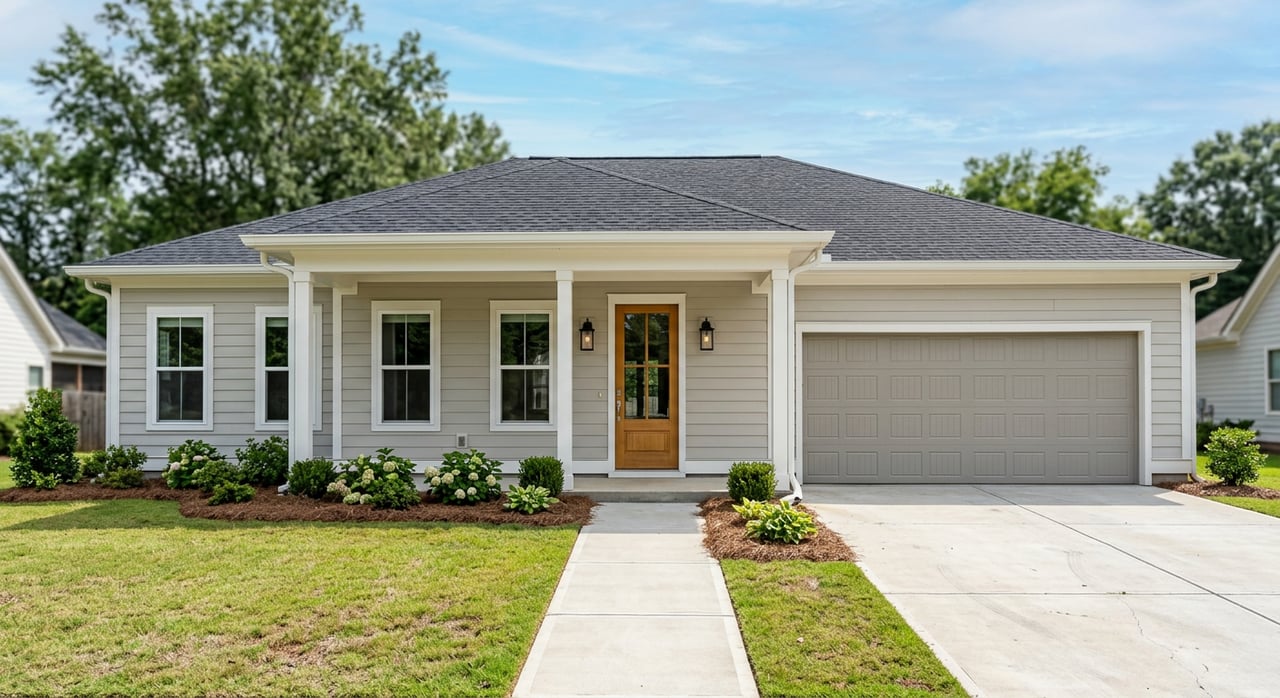
- Curb appeal and doors. National data continues to rank garage door replacement and steel entry door projects among the top returns. In Gaston’s price band, a clean, updated exterior often matters more than a trendy interior. (Source: 2025 Cost vs. Value)
- Fresh interior paint. Neutral colors help smaller homes feel brighter and larger. Typical contractor pricing often ranges roughly from $2 to $6 per square foot, with a room finished in a couple of days depending on prep. (Source: Angi interior painting ranges)
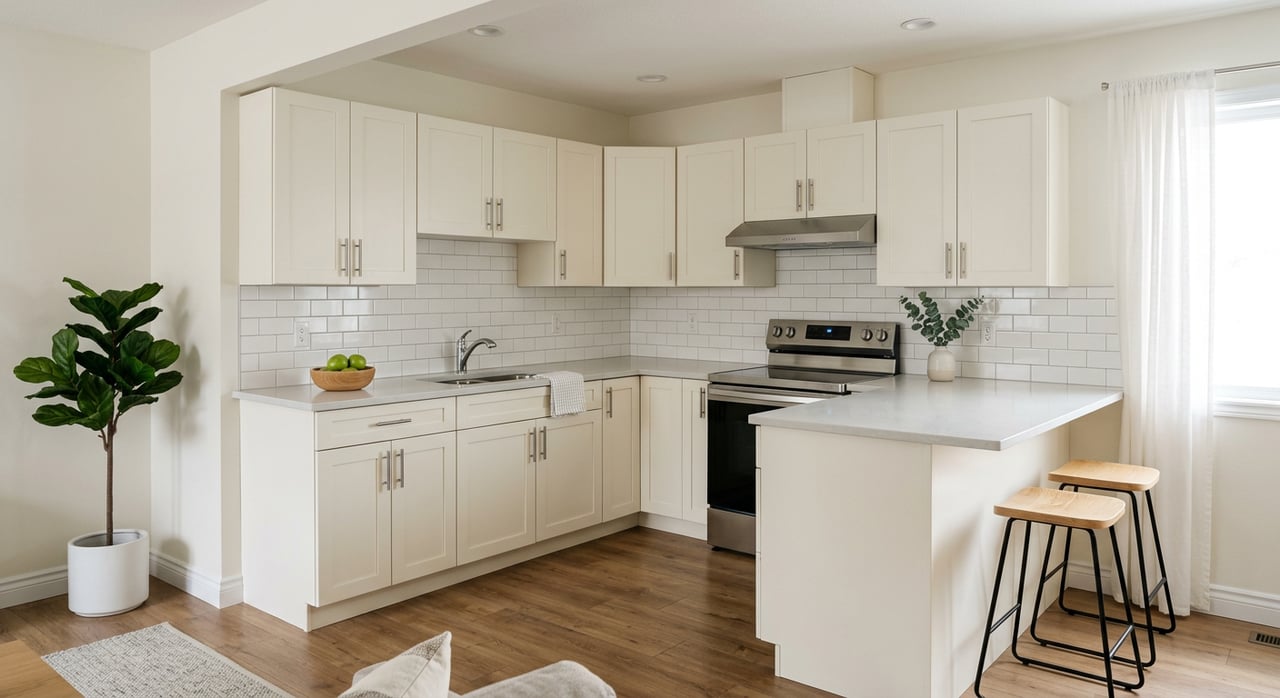
- Minor kitchen refresh. Focus on cabinet repainting or refacing, updated hardware, and replacing visibly worn counters rather than full gut remodels. Minor-scope upgrades often show better payback for sellers on a timeline. (Source: 2025 Cost vs. Value)
- Staging and great photos. Staging helps buyers visualize a home and agents report benefits on days on market. If budget is limited, prioritize the living room, primary bedroom, and kitchen. (Source: NAR 2023 Profile of Home Staging)
What to skip in a starter home
- Full luxury renovations. High-end kitchens and baths rarely return dollar for dollar in modest price bands and can push your list price out of step with Gaston comps. Use exterior refreshes and light interior updates instead. (Data trend: 2025 Cost vs. Value)
- Over-customized finishes. Extreme styles can narrow the buyer pool. Function and neutral design tend to work best in first-time-buyer markets. (Market insight: NAR buyer-seller trends)
Cost and time benchmarks
Use these as planning ranges for the Gaston area. Always get 2–3 local quotes and ask whether the contractor will handle permits if required.
Quick cosmetic items
- Declutter and deep clean: 1 to 7 days if DIY, or 1 to 3 days with a crew. Low cost, big visual payoff.
- Interior paint (select rooms): about $2 to $6 per sq ft with a pro, often 1 to 3 rooms in a couple of days. (Source: Angi)
- Simple flooring updates: Several days to a week depending on area and material. Get local quotes.
Moderate projects
- Minor kitchen refresh: National “minor kitchen” averages are often reported around the high $20Ks when fully scoped, but sellers can scale way down by repainting cabinets, changing hardware, and selectively updating counters or a single appliance. Timeline: 1 to 3 weeks depending on lead times. (Source: Cost vs. Value)
- Garage door replacement: Commonly under $5,000 nationally, install in 1 to 3 days. Strong curb appeal and ROI. (Source: Cost vs. Value)
Seller incentives
- Staging: Many sellers stay in the low hundreds for consults and DIY tweaks, with professional installs often in the several-hundred-dollar range. (Source: NAR 2023)
- Home warranty: Roughly $400 to $900 for a year depending on coverage, which can reassure buyers about older systems. (Context: This Old House warranty overview)
A simple 4–6 week plan
Week 0: Decide and assess
- Meet with a local agent for a quick pricing check using very recent 29053 comps.
- Schedule a pre-listing inspection if the home is older or you suspect hidden issues.
- Gather 2–3 quotes for any recommended work.
Weeks 1–3: Knock out the priorities
- Fix safety and function items first, like active leaks or electrical hazards.
- Book curb appeal work and interior painting at the same time to save calendar days.
- Confirm permitting needs for any electrical, plumbing, structural, or deck work with Lexington County. (Permits info: Lexington County Building Permits)
Weeks 3–4: Stage and photograph
- Deep clean, declutter, and stage high-impact rooms.
- Schedule professional photography right after staging so everything looks fresh.
List week: Monitor and adjust
- Expect most buyer activity in the first 2 to 3 weeks when price and presentation are aligned.
- Keep a small reserve, for example $500 to $1,500, to address buyer inspection asks that are easy to fix.
Price and negotiate with options
- Pre-listing inspection strategy. Going to market with a clear picture gives you choices. You can fix key items, price to reflect remaining issues, or offer a credit at closing.
- Credits vs. repairs. When buyers find issues, you do not have to fix everything. You can offer a seller credit to offset buyer costs, within the rules of their loan. This can be faster than scheduling contractors mid-escrow.
- When “as-is” makes sense. If needed repairs exceed your expected net or you need speed, an as-is strategy to a cash buyer or investor can be viable. Expect lower offers that reflect repair and holding costs. Disclose known defects clearly and price accordingly.
Permits and paperwork that smooth closings
- Use the state disclosure. South Carolina’s residential disclosure is required for most sales and must be provided before a contract is signed. Keep receipts, reports, and termite documents with your disclosure packet. (Form: SC Residential Property Condition Disclosure)
- Check permits early. Cosmetic work usually does not require a permit, but many exterior, structural, electrical, plumbing, HVAC, and deck projects do. Verify with the county before starting. (Portal: Lexington County permits)
A quick triage checklist
Use this to decide what to do now, later, or not at all.
- Safety and function
- Repair active leaks, electrical hazards, and major plumbing issues.
- Treat and document termites if needed.
- Plan to disclose all known material defects using the SC form.
- Curb appeal
- Clean siding and walkways, edge and mulch beds, trim shrubs.
- Replace a failing or dated garage door if budget allows.
- Repaint the front door and replace worn hardware.
- Clean and neutralize
- Declutter closets and surfaces, store excess furniture.
- Apply fresh, neutral paint in main living areas.
- Minor refreshes
- Update cabinet hardware, repaint cabinets if worn.
- Replace visibly damaged counters or faucets.
- Stage and photograph
- Focus on living room, primary bedroom, and kitchen.
- Keep counters clear, add simple, bright accents.
Tip: Before greenlighting any mid-sized project, ask three questions.
- What is the estimated cost and how many days will it take?
- How will it change buyer appeal or days on market in Gaston’s price band?
- Do recent 29053 comps show buyers expect this feature at my target price?
The bottom line for Gaston sellers
Starter-home buyers value clean, safe, move-in ready homes more than luxury finishes. In Gaston, your best path is to fix non-negotiables, boost curb appeal, neutralize interiors, and stage for strong photos. Use a short, organized timeline and recent local comps so you invest only where it counts.
If you want a calm, step-by-step plan tailored to your home and timeline, reach out. I’m happy to review your to-do list, run local comps, and map a stress-reducing strategy from first call to closing. Schedule a free consultation with Justin Johnson.
FAQs
Do I have to fix everything an inspector finds when selling in Gaston?
- No. You can negotiate or offer a credit at closing. Safety and insurability items and known material defects should be addressed or disclosed. South Carolina requires a seller disclosure for most sales, so plan ahead using the state form. (See the SC disclosure)
Which updates raise price for a Gaston starter home?
- Curb appeal items like garage and entry doors, a clean exterior, fresh neutral paint, minor kitchen updates, and thoughtful staging tend to give the best return for time and money. (Data sources: Cost vs. Value and NAR staging)
How much should I spend before listing my Gaston home?
- Many sellers keep pre-listing work modest, often around 1 to 2 percent of home value as a simple starting point, then adjust based on recent 29053 comps and timeline. Focus on items that remove buyer objections fast.
Do VA or FHA loans require termite or safety fixes in South Carolina?
- VA loans may require a termite inspection and clearance in certain areas, and any safety or habitability issues flagged by the appraiser or underwriter usually must be resolved to close. Plan ahead by addressing major issues early. (Background: VA termite guidance)